
How Artificial Intelligence is Transforming Digital Marketing
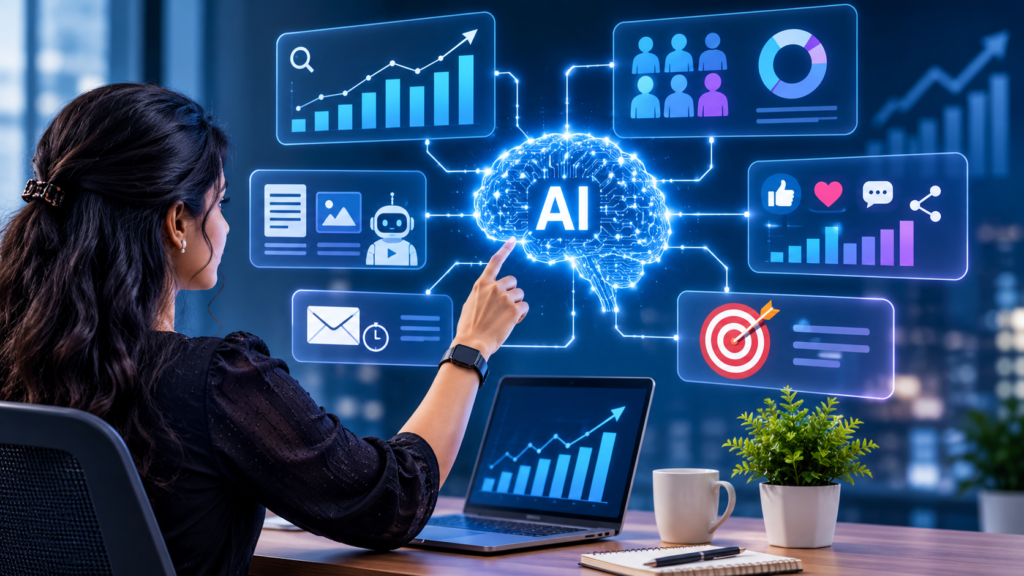
Artificial Intelligence (AI) is transforming the way businesses communicate with customers, promote their products, and develop marketing strategies. Digital marketing has become more advanced with the introduction of AI-powered technologies that help businesses understand customer behaviour, create personalized experiences, and improve advertising performance.
In today’s competitive business environment, traditional marketing strategies alone may not be sufficient to reach the right audience. AI helps digital marketers make data-driven decisions, automate repetitive tasks, and deliver relevant content to potential customers.
From content creation and search engine optimization (SEO) to social media marketing and paid advertising, AI is becoming an important part of modern digital marketing.
1. AI-Powered Content Creation
Content plays an important role in digital marketing. Businesses need attractive and informative content to engage their target audience.
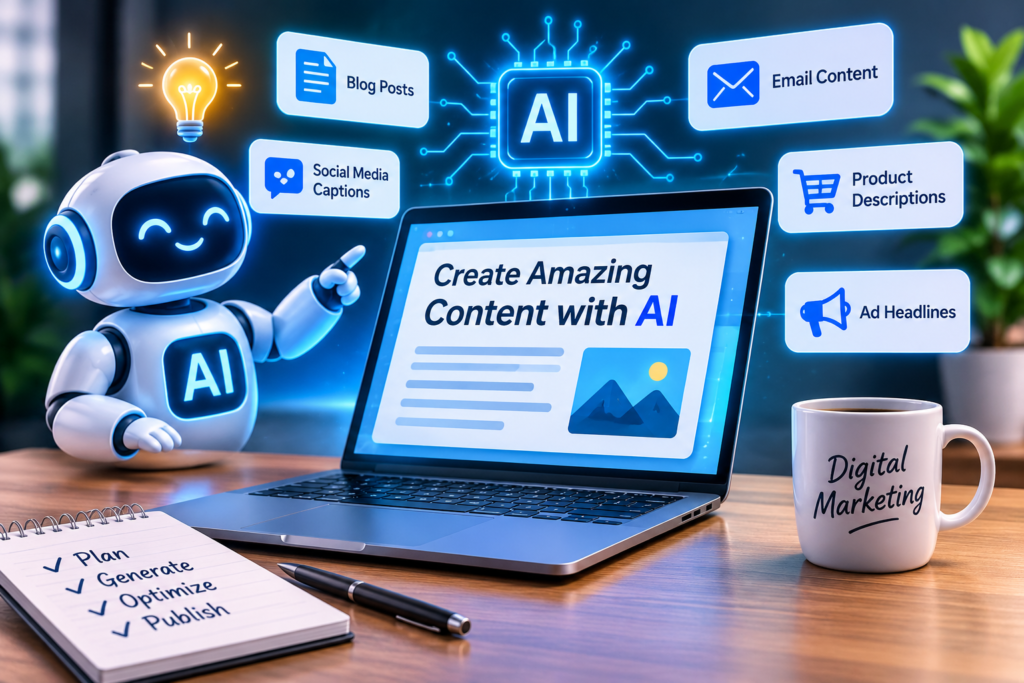
AI tools can help marketers generate blog articles, social media captions, product descriptions, email content, and advertising headlines. They can also suggest content ideas based on customer interests and current trends.
For example, tools such as ChatGPT and Google Gemini help marketers generate content ideas and improve their writing process.
However, marketers should review AI-generated content to ensure accuracy, originality, and brand consistency.
2. Personalized Customer Experience
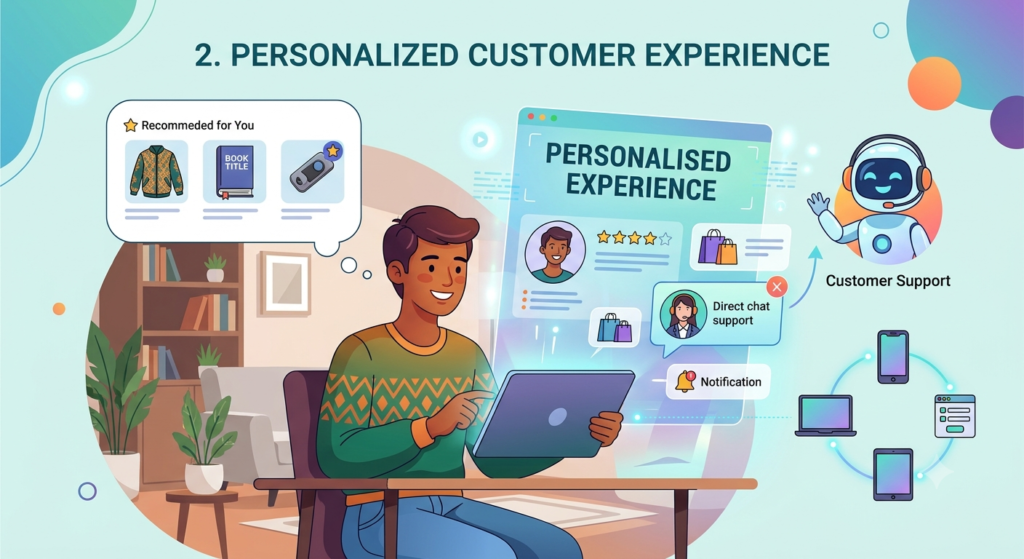
Personalization is one of the biggest advantages of Artificial Intelligence in digital marketing.
AI analyses customer data, including browsing history, previous purchases, interests, and online activities. Based on this information, businesses can recommend relevant products and services to individual customers.
For example, e-commerce platforms such as Amazon recommend products based on customers’ previous searches and purchasing behaviour.
This approach helps businesses improve customer engagement, increase customer satisfaction, and build long-term relationships.
3. AI in Search Engine Optimization (SEO)
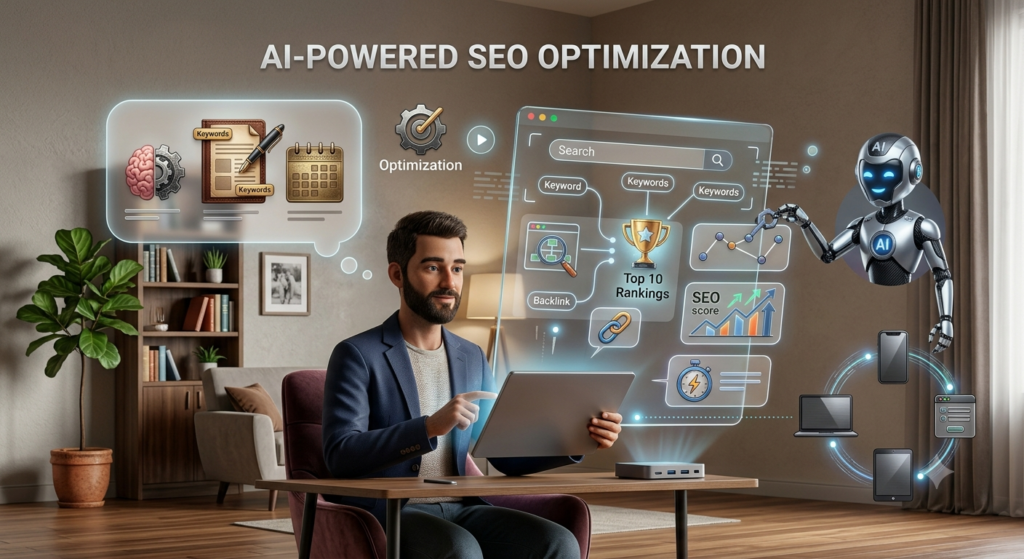
Search Engine Optimization is essential for improving website visibility on search engines such as Google.
AI helps digital marketers perform keyword research, analyse competitors, identify content gaps, and understand search trends.
AI-powered SEO platforms can also suggest improvements to website content, meta titles, meta descriptions, and keyword placement.
Some popular platforms include:
- Semrush
- Ahrefs
- Surfer SEO
- Google Search Console
These tools help marketers develop effective SEO strategies and improve their website’s search performance.
4. AI in Social Media Marketing
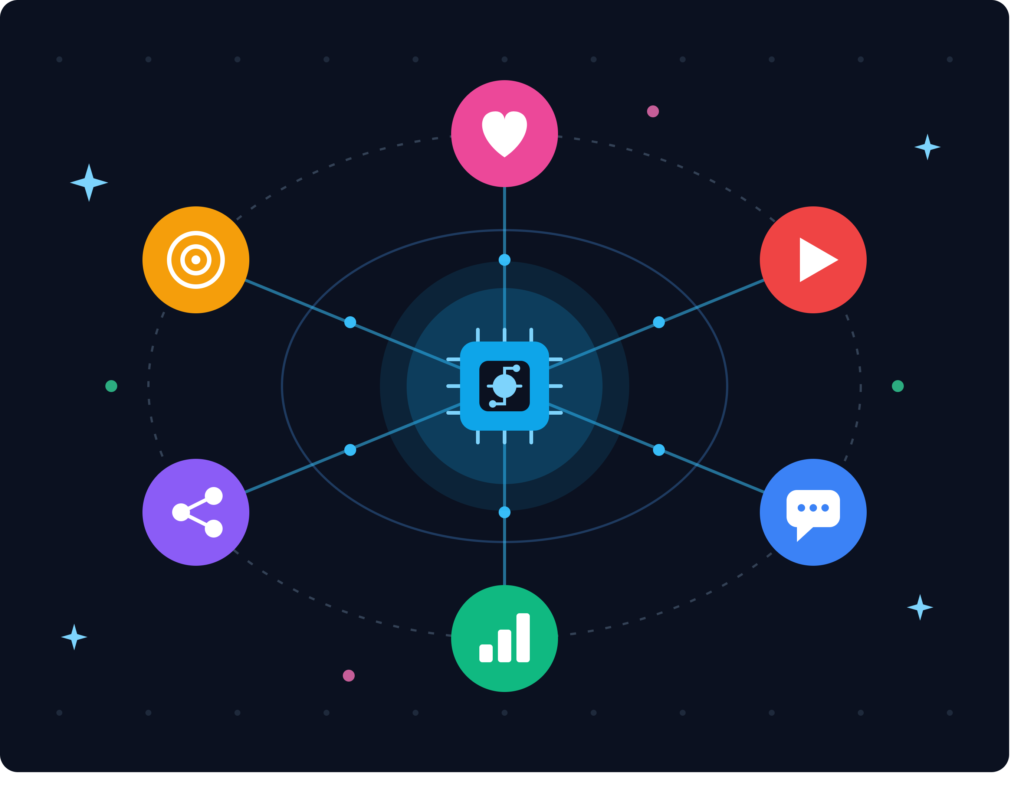
Social media platforms have become important marketing channels for businesses. AI helps marketers understand audience interests, analyse engagement, and improve content strategies.
AI-powered tools can assist with:
- Social media content creation.
- Audience analysis.
- Post scheduling.
- Hashtag suggestions.
- Engagement analysis.
- Social media advertising optimization.
Platforms such as Meta Business Suite and other AI-powered marketing tools help businesses manage their social media activities more efficiently.
By analysing engagement data, marketers can identify which types of content perform well and plan future campaigns accordingly.
5. AI in Digital Advertising
Digital advertising is another area where Artificial Intelligence plays an important role.
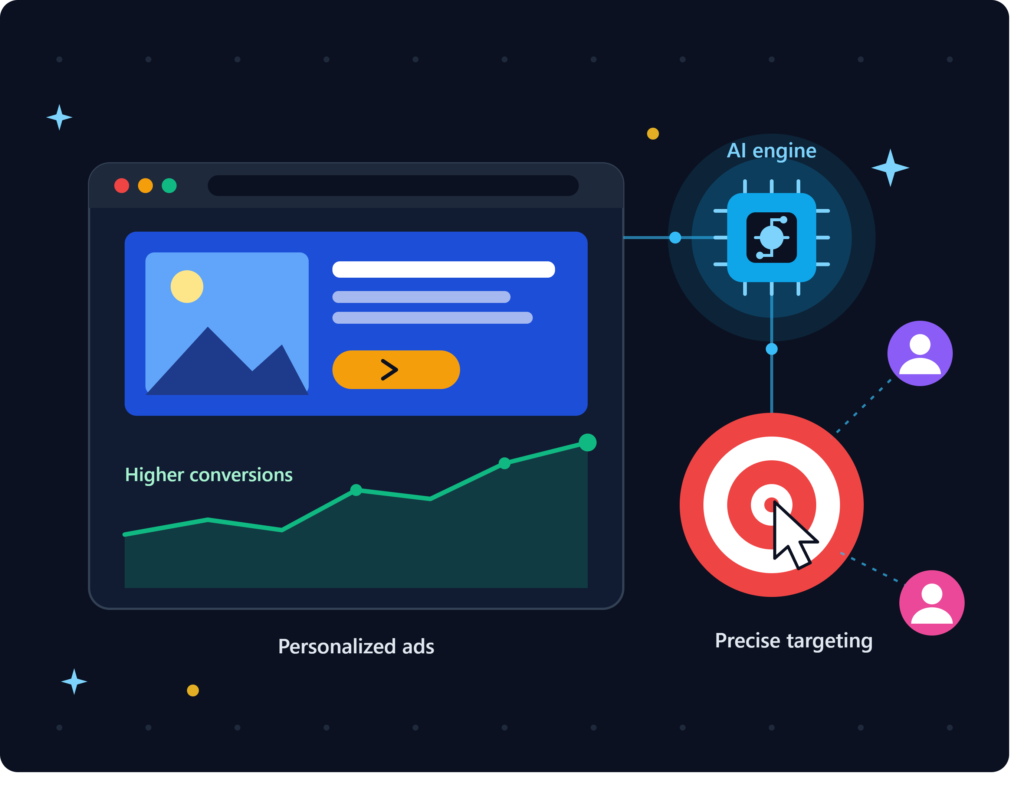
AI helps businesses identify potential customers, optimize advertising budgets, and improve campaign performance.
For example, Google Ads uses AI-powered features to optimize bidding, discover relevant audiences, and improve advertising performance.
Similarly, Meta Advantage+ uses AI and automation to support advertising campaign optimization across Meta platforms.
These technologies help businesses reach relevant audiences and improve their advertising strategies.
6. AI Chatbots and Customer Support
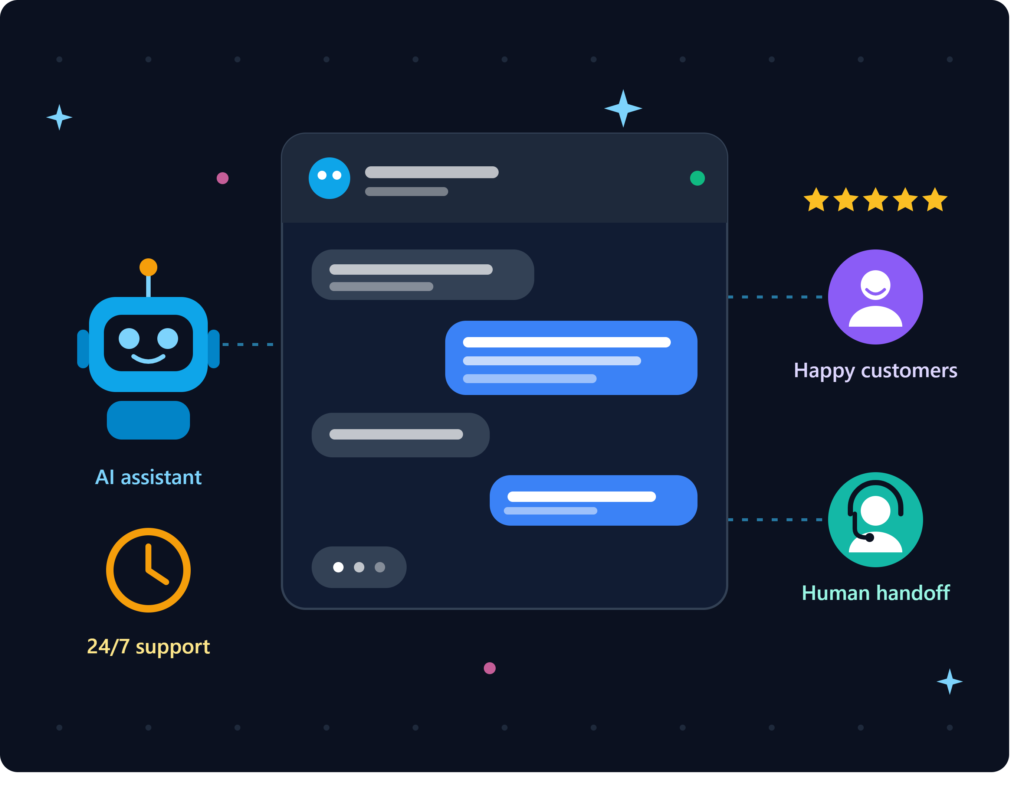
Customer support is important for maintaining customer satisfaction. AI-powered chatbots allow businesses to respond to customer questions automatically.
Chatbots can provide product information, answer frequently asked questions, collect customer details, and guide visitors through the purchasing process.
For example, a spare parts company can use an AI chatbot on its website to help customers find information about available products, compatible equipment models, and product enquiries.
This helps businesses provide faster responses and improve the overall customer experience.
7. AI in Data Analysis and Marketing Decisions
Digital marketing generates large amounts of data from websites, advertisements, and social media platforms.
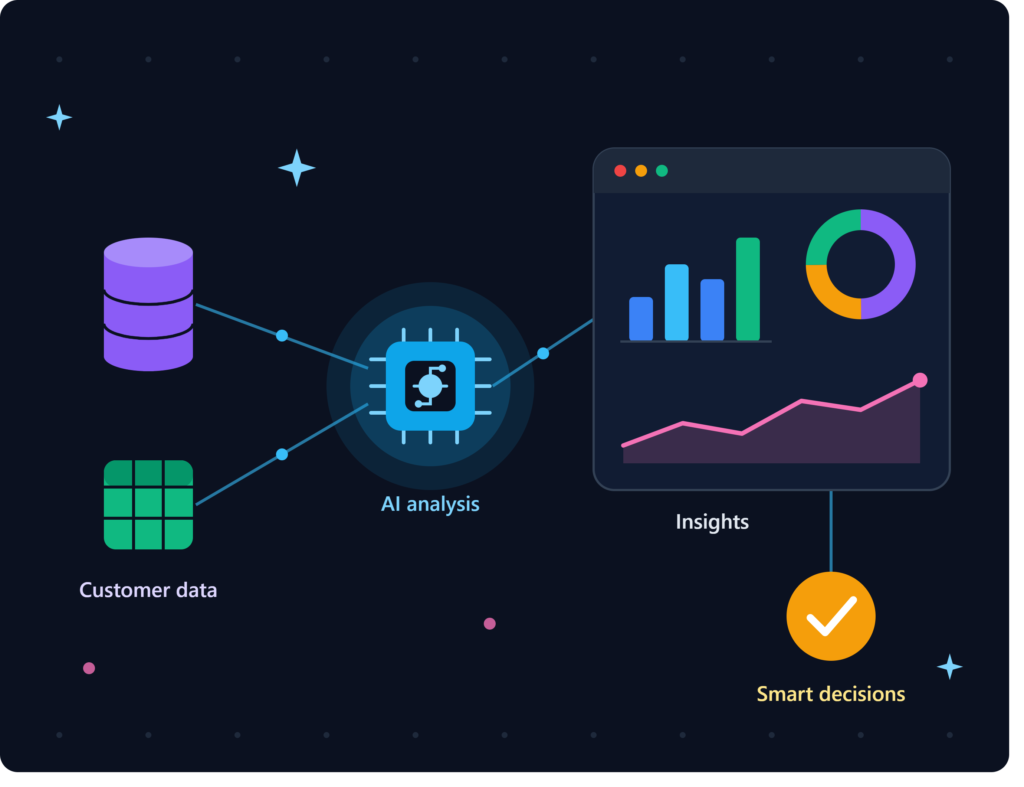
AI helps marketers analyse this information and identify useful patterns.
It can help businesses understand:
- Website traffic and visitor behaviour.
- Customer interests and preferences.
- Advertising campaign performance.
- Conversion rates.
- Customer purchasing patterns.
Tools such as Google Analytics 4 help marketers understand website performance and customer interactions.
8. Popular AI Tools Used in Digital Marketing
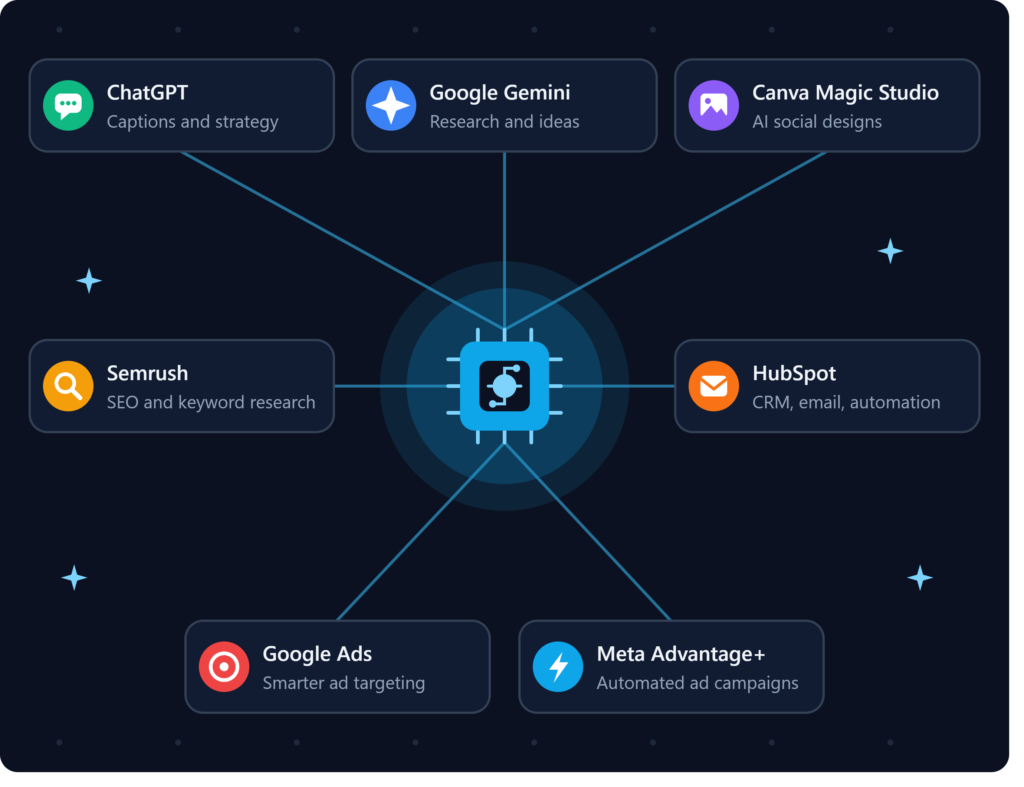
Several AI-powered platforms are helping digital marketers improve their productivity and marketing performance.
ChatGPT: Helps create content, generate ideas, write captions, and develop marketing strategies.
Google Gemini: Supports content creation, research, brainstorming, and marketing-related tasks.
Canva Magic Studio: Helps create social media designs, presentations, and marketing visuals using AI-powered features.
Semrush: Supports SEO research, keyword analysis, competitor research, and content optimization.
HubSpot: Provides AI-powered marketing features for customer relationship management, email marketing, and automation.
Google Ads: Uses AI-powered advertising features to improve campaign targeting and performance.
Meta Advantage+: Helps automate and optimize advertising campaigns across Meta platforms.
9. Benefits of Artificial Intelligence in Digital Marketing
AI provides several advantages to businesses and digital marketing professionals.
Time Saving: AI automates repetitive marketing activities and helps marketers complete tasks more quickly.
Better Targeting: Businesses can identify relevant audiences based on customer behaviour and interests.
Improved Customer Experience: Personalized recommendations and automated customer support improve customer interactions.
Data-Driven Decisions: AI helps marketers analyse information and make better marketing decisions.
Cost Efficiency: AI-powered automation can help businesses use their marketing resources more efficiently.
Improved Campaign Performance: AI helps marketers monitor and optimize campaigns based on performance data.
10. Challenges of Using AI in Digital Marketing
Although AI provides many advantages, businesses must also understand its limitations.
Data Privacy: Businesses must handle customer information responsibly and follow applicable data protection regulations.
Content Accuracy: AI-generated information may sometimes contain errors or misleading details.
Lack of Human Creativity: AI can generate content, but human creativity and emotional understanding remain important for meaningful communication.
Dependence on Technology: Excessive dependence on AI may reduce human involvement in important marketing decisions.
Therefore, businesses should use AI as a supporting technology rather than a complete replacement for human marketers.
11. The Future of AI in Digital Marketing
The future of digital marketing will become increasingly connected with Artificial Intelligence.
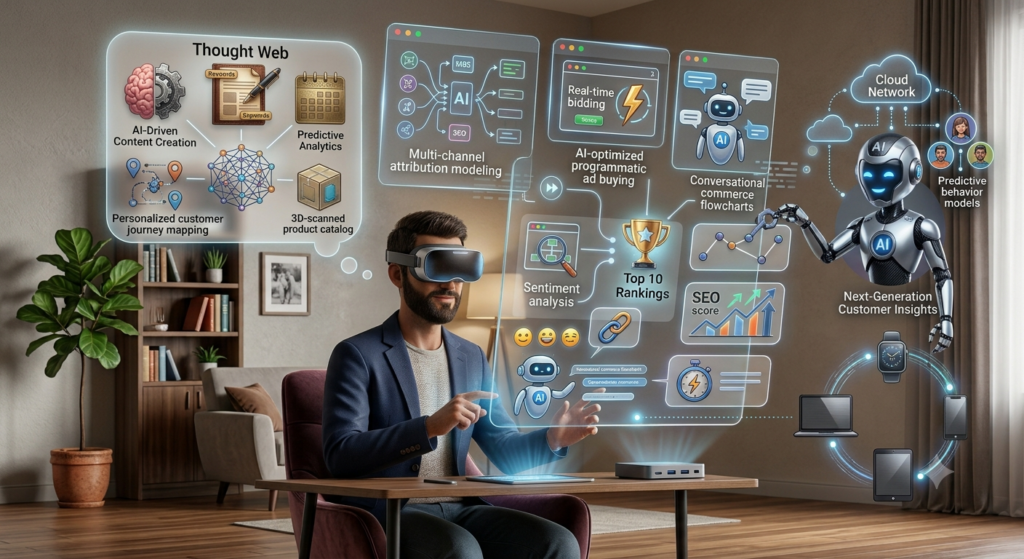
AI-powered search experiences, advanced personalization, automated advertising, predictive analytics, and intelligent customer support are expected to play important roles in marketing strategies.
Businesses that understand and adopt these technologies can improve their marketing processes and respond more effectively to changing customer expectations.
However, successful digital marketing will continue to require a combination of AI technology, human creativity, strategic thinking, and customer understanding.
Conclusion
Artificial Intelligence is transforming digital marketing by making marketing activities smarter, faster, and more data-driven. From content creation and SEO to social media management, advertising, and customer support, AI is creating new opportunities for businesses.
It helps marketers understand their audiences, improve campaign performance, and provide personalized customer experiences.
However, AI cannot completely replace human creativity, decision-making, and emotional understanding. The most effective digital marketing strategies will combine the capabilities of Artificial Intelligence with human expertise.
As technology continues to develop, learning how to use AI effectively will become an important skill for every digital marketing professional.
The future of digital marketing is not just about using AI; it is about using AI intelligently to create better customer experiences and business growth.
References
You can mention these platforms in your article’s References section.